

DUBROVNIK
Dubrovnik needs no introduction. One of the most recognizable cities in the world, perched on the southern tip of Croatia along the Adriatic coast, Dubrovnik draws millions of visitors every year – people who come to witness with their own eyes a beauty that no photograph can fully capture.
A Brief History of Dubrovnik
Dubrovnik is a city with a rich and fascinating history stretching back more than a thousand years. Founded in the 7th century, it was long known by the name Ragusa – the heart of the powerful Republic of Ragusa, one of the longest-lasting republics in European history, which survived until 1808.
The Republic of Ragusa was renowned for its diplomatic skill, advanced maritime trade, and remarkable political independence. While wars raged and borders shifted around it, Ragusa managed to remain free through shrewd negotiations and strategic alliances. The city was so progressive that it abolished slavery as early as the 15th century – one of the first cities in Europe to do so.
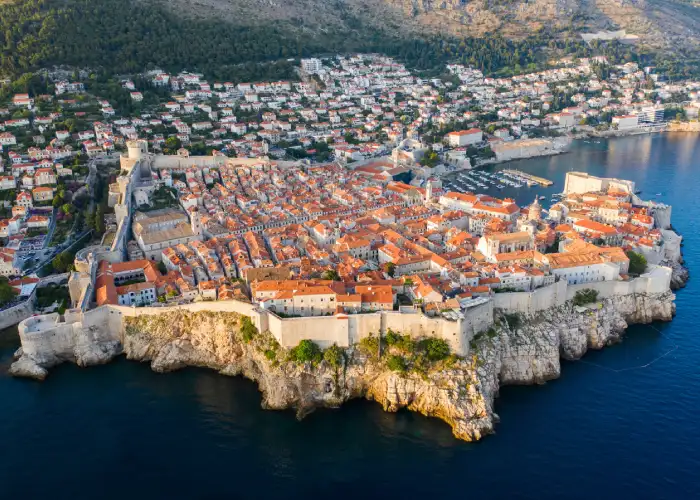
A devastating earthquake in 1667 dramatically changed the city’s appearance, but Dubrovnik recovered and rebuilt, preserving its characteristic Mediterranean architecture of gleaming white limestone and terracotta rooftops. Today, the entire Old Town of Dubrovnik is listed as a UNESCO World Heritage Site, a testament to its extraordinary cultural and historical significance.
People and Everyday Life
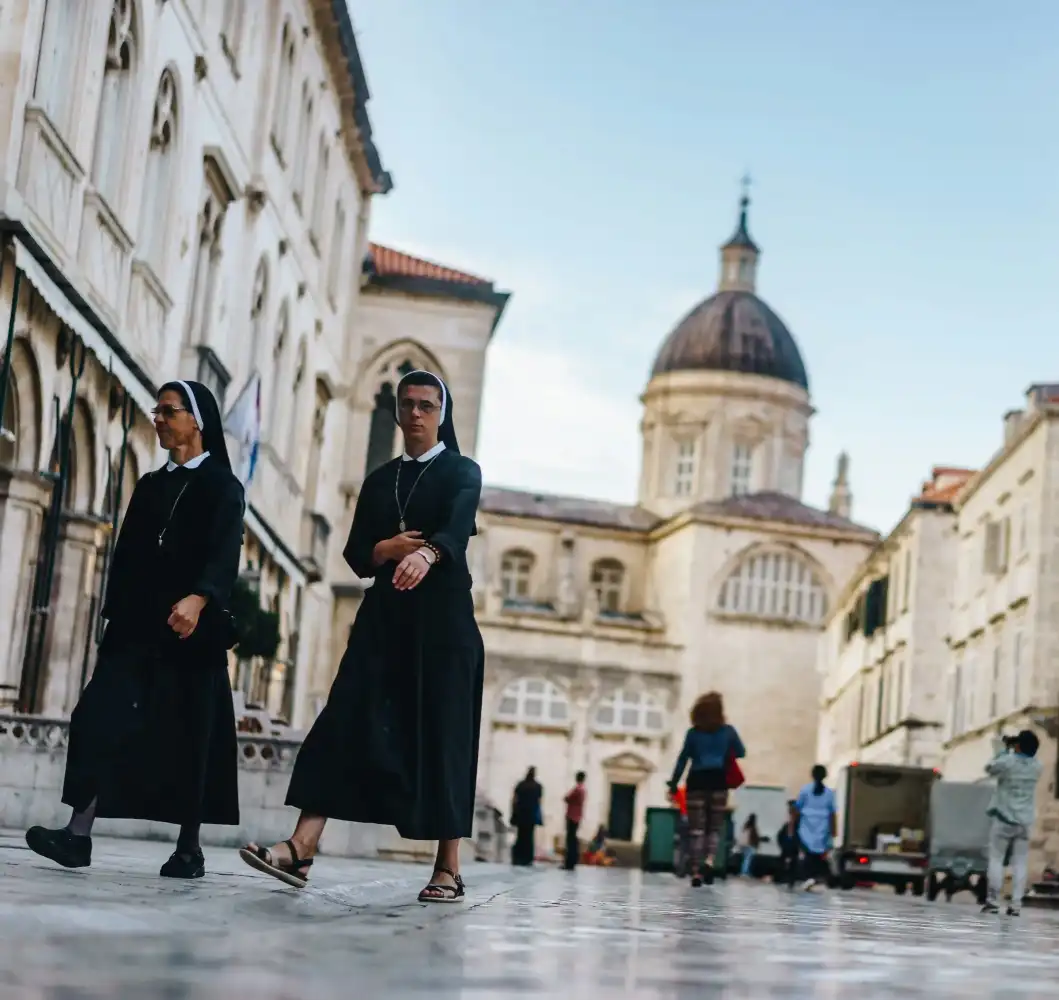
Dubrovnik is home to approximately 40,000 residents, though that number multiplies many times over during the tourist season, which runs from spring through late autumn. Locals take great pride in their distinct culture, dialect, and identity – one that sets them apart from the rest of Dalmatia. Living in Dubrovnik means living in a city that is simultaneously a living museum and a vibrant urban community, with cafés, markets, schools, and the pulse of everyday life unfolding amid priceless cultural heritage.
Climate – When to Visit Dubrovnik?
Dubrovnik enjoys a classic Mediterranean climate – long, warm, and sunny summers paired with mild, rainy winters. It is one of the sunniest cities on the entire Mediterranean, boasting more than 2,700 hours of sunshine per year.
- Spring (April – June): Perfect for a visit – pleasant temperatures between 18°C and 25°C, far fewer crowds than peak season, and lush green surroundings.
- Summer (July – August): The hottest and most popular time of year, with temperatures reaching up to 35°C. The city is buzzing with visitors, and the sea is wonderfully warm.
- Autumn (September – October): Another excellent window – the sea stays warm, crowds begin to thin, and the landscape takes on golden tones.
- Winter (November – March): Quiet and atmospheric, ideal for those who want the city to themselves. Temperatures rarely drop below 5°C, though rainy days are common.
Gastronomy – The Flavors of Dubrovnik’s Cuisine
Dubrovnik’s cuisine is a beautiful blend of Mediterranean heritage, fresh seafood, and exotic spices once brought back by Ragusan merchants from distant trade routes. Food here is more than sustenance – it is a cultural experience.
Seafood takes center stage on Dubrovnik’s tables. Freshly caught fish, octopus, squid, mussels, and shellfish are prepared simply, honoring the natural flavor of each ingredient. A local specialty not to be missed is brudet – a rich, slow-simmered fish stew – and black cuttlefish risotto, a dish as striking in appearance as it is in taste.
Alongside seafood, the peka is a culinary tradition you must experience – meat or seafood slow-cooked under a domed metal lid covered with embers, producing unparalleled depth of flavor. Local cheese, dry-cured ham (pršut), and olive oil are essential companions to any meal.
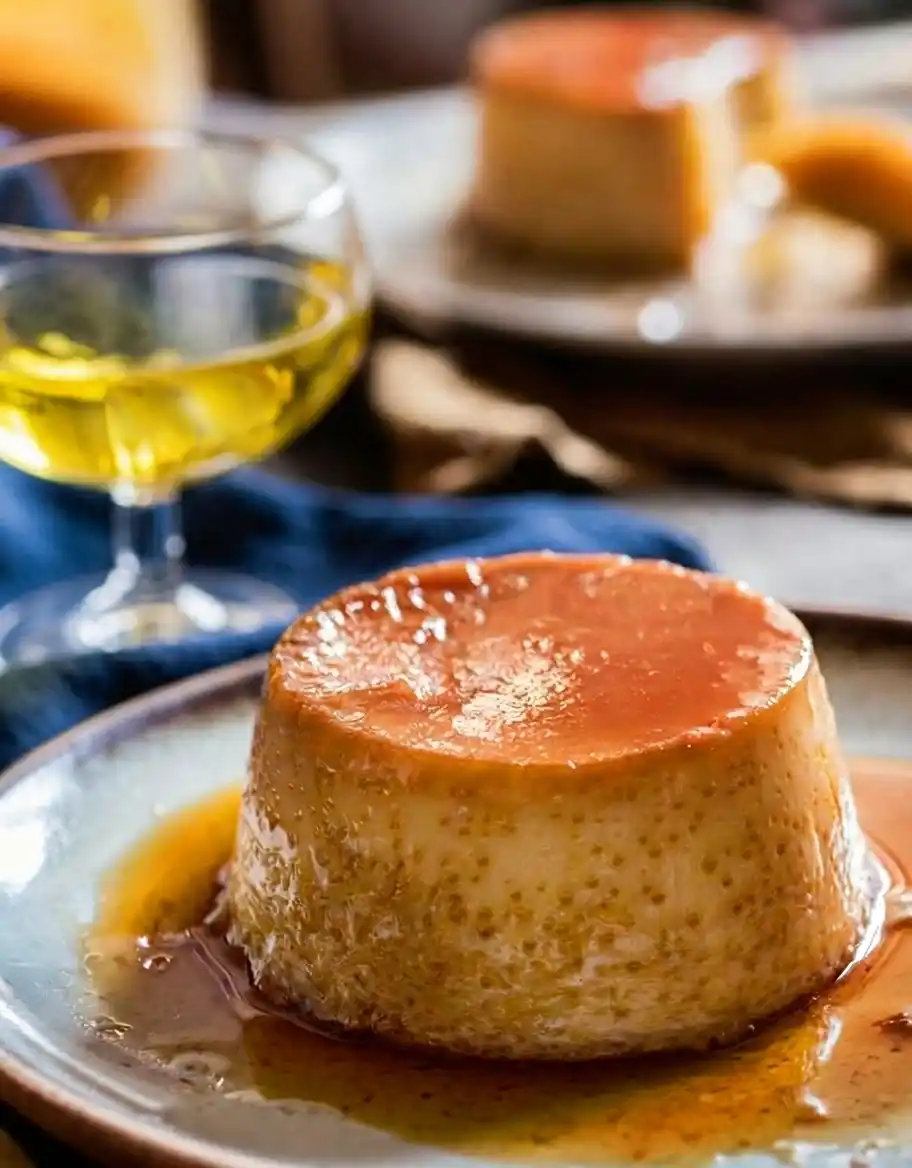
For dessert, Dubrovnik has its own sweet treasures. Rozata is the city’s signature dessert – a silky custard pudding similar to crème brûlée, delicately flavored with rose water. Traditional almond and honey pastries speak to Dubrovnik’s historic ties with the Mediterranean and the Middle East.
No meal in Dubrovnik is complete without local wine. The wines of the Pelješac Peninsula – particularly Dingač and Postup, both made from the Plavac Mali grape – are considered among the finest red wines Croatia has to offer.
Why Visit Dubrovnik?
Dubrovnik is not just a destination – it is an experience that stays with you forever. The ancient city walls stretching nearly two kilometres, offering panoramic views that steal the breath; the narrow stone-paved lanes of the Old Town; the shimmering Adriatic and the islands drifting on the horizon – all of this makes Dubrovnik a place that must be felt in person.
Whether you come for history, culture, food, or simply the desire to walk through one of the most beautiful cities on earth – Dubrovnik will always meet and exceed your expectations.
Explore Dubrovnik at Your Own Pace
The most authentic way to discover Dubrovnik is on foot, at your own pace, without rush. At TopVisit, we offer self-guided digital tour guides that take you through the most fascinating corners of this city.
Dubrovnik: The City Walls – Guardians of the Centuries
This route is not just a walk — it is an entry into the heart of a defensive masterpiece, a city that stood unconquered for centuries. Stretching nearly two kilometers, Dubrovnik’s city walls rise above everyday life, where guards once kept watch over the sea, the land, and the fate of the Republic.

Dubrovnik: Stradun – The Heart and Soul of the City
This route takes you along Dubrovnik’s most famous street, but in a way few truly experience it. Stradun is not just the city’s main artery — it is a stage where city life has unfolded for centuries, from grand processions and trade to everyday encounters, conversations, and rituals of Dubrovnik’s residents.
